BETTER CONVERSATIONS BETTER DECISIONS
STRONGER TEAMS
KT Facilitation helps leaders, teams, and organizations bring people together to move important work forward. Through professional facilitation, strategic planning, and practical facilitation training, we help you engage every voice, navigate different perspectives, make better decisions, and turn ideas into action.
Whether you need someone to guide the room or want to build the skills to lead it yourself, we create practical, participatory processes that build clarity, ownership, and momentum.
Because when people are meaningfully involved in the process, they are more invested
in what happens next.
This is facilitation practiced over time, designed for real people and real consequences.





WHY FACILITATION IS DIFFERENT WHEN IT IS
DONE WELL
Facilitation is often misunderstood as managing conversation or following a meeting agenda. In practice, effective facilitation is about reading the room, designing participation, and guiding groups toward decisions they can stand behind.
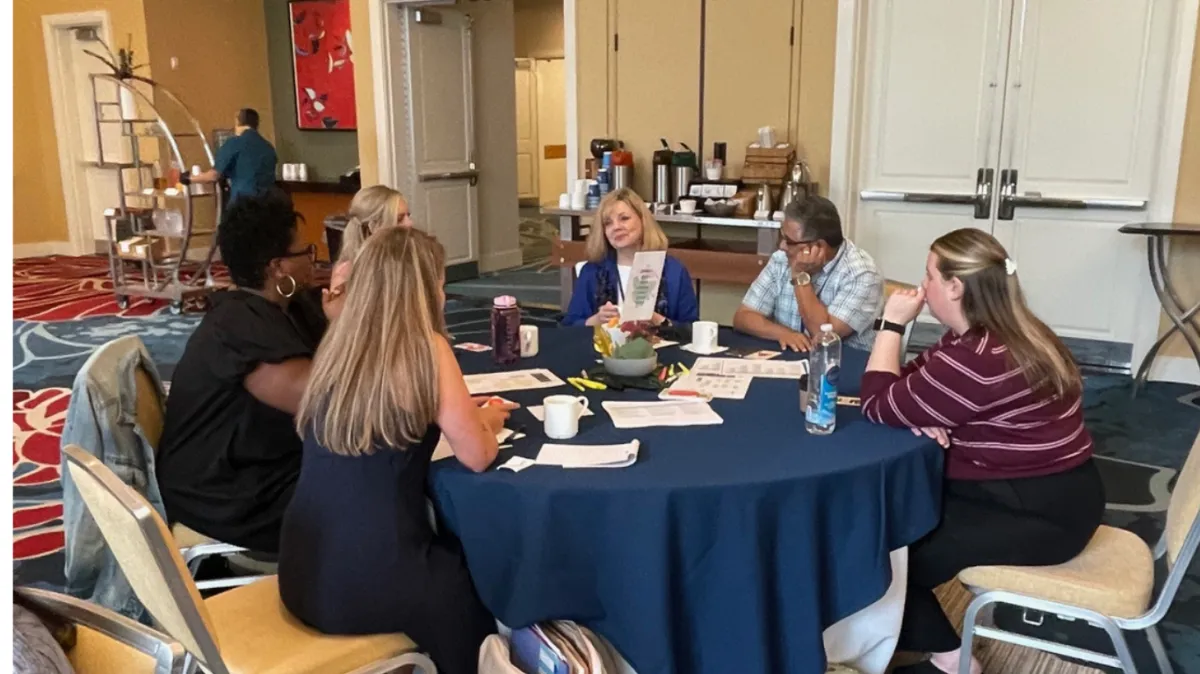
READING GROUP DYNAMICS
Noticing what is being said "behind the words" and through body language.
READING GROUP DYNAMICS
Noticing what is being said "behind the words" and through body language.
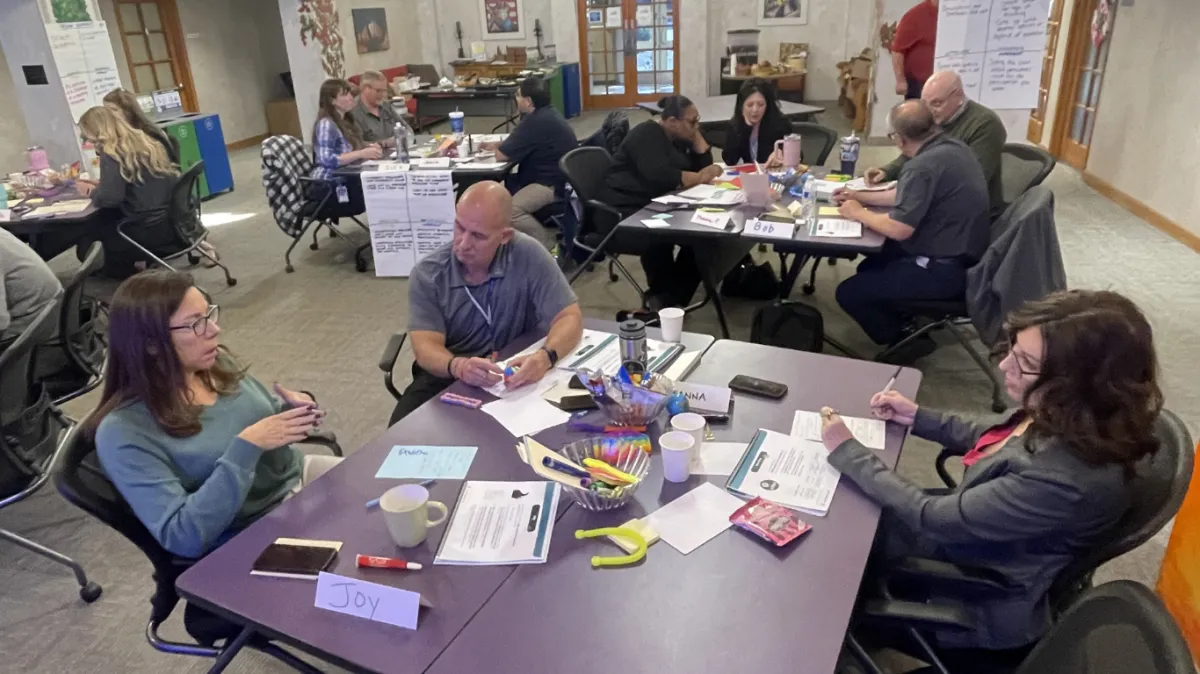
HOLDING SPACE
The steadiness to remain present when conversations become emotionally charged or politically sensitive.
HOLDING SPACE
The steadiness to remain present when conversations become emotionally charged or politically sensitive.
INTENTIONAL DESIGN
Crafting a session around purpose and group context before the meeting even starts.
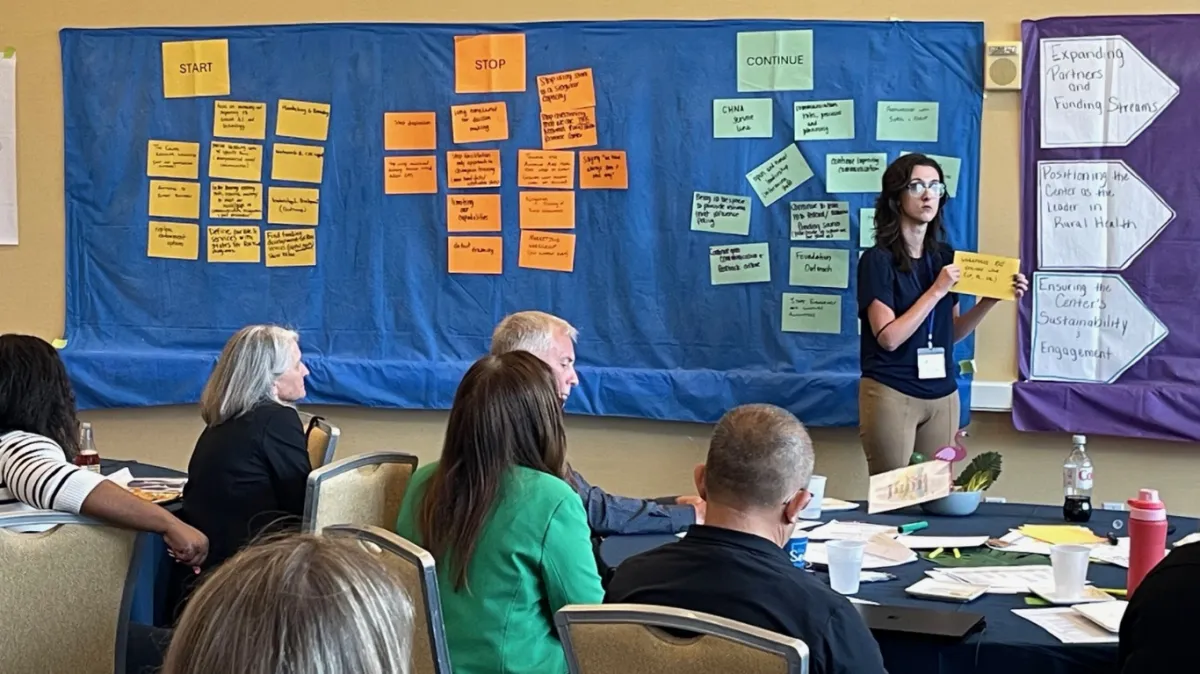
INTENTIONAL DESIGN
Crafting a session around purpose and group context before the meeting even starts.
THE 5 HALLMARKS OF FACILITATION IN LEADERSHIP
Our signature framework is the only leadership practice that blends professional facilitation methods with real-world leadership skills. These five hallmarks are the practiced capacities that move teams from frustration to clarity.
Self
Leading With Awareness, Not Reaction
Every room has energy. Every conversation has undercurrents.
Facilitative leadership begins with the ability to notice what is happening internally before responding externally. In tense moments, facilitators and leaders bring their full selves into the room. Without self-awareness, reactions can unintentionally escalate conflict or shut down participation.
This steadiness creates safety. Not comfort, but enough stability for honest dialogue to emerge. When leaders model self-awareness, the room follows.
- Emotional awareness in high-stakes situations
- The ability to stay grounded under pressure
- The discipline to pause rather than react
Strengths
Understanding How People Engage and Contribute
Groups do not struggle because people are difficult. They struggle because people are different.
Some think out loud. Some need time. Some speak from emotion. Others from data. Some move quickly. Others carefully. Facilitative leadership recognizes these differences not as obstacles, but as information.
Karie integrates strengths-based understanding into facilitation so participation is designed rather than forced. When people can contribute in ways that align with how they work best, resistance decreases and engagement increases.
Strengths awareness allows groups to move from frustration to appreciation, and from friction to function.
Skill
Structuring Dialogue Without Controlling It
Skill is where facilitation becomes visible.
Skilled facilitation provides enough structure to prevent chaos, while leaving enough openness for insight to emerge. Karie's facilitation skill draws from proven methodologies, but is always adapted to the context of the group. Tools are used in service of the people, not the other way around.
When skill is present, conversations deepen and decisions become possible.
- Designing conversations with intention
- Asking questions that move groups forward
- Creating participation structures that invite contribution
- Supporting decision-making without imposing outcomes
Synergy
Creating Shared Ownership and Accountability
Synergy is not a consensus. It is a shared commitment.
Facilitative leadership creates conditions where people feel genuinely involved in shaping decisions. When voices are heard and contributions matter, ownership follows naturally.
Karie designs facilitation so responsibility does not rest on one person or role. Instead, accountability is distributed and visible. This shift is often subtle, but powerful. Groups move from waiting for direction to taking responsibility together.
Synergy is what allows progress to continue after the facilitator leaves the room.
Strategy
Turning Insight Into Action That Holds
Many groups have good conversations. Fewer translate those conversations into sustained action.
Strategic facilitation connects dialogue to direction. Karie's work ensures that facilitation does not end with ideas on a wall. It ends with clarity people can carry back into their work.
Strategy is what allows facilitation to support long-term impact rather than momentary alignment.
- Clarify what success actually looks like
- Prioritize realistically within constraints
- Identify ownership and next steps
- Align action with values and capacity
"Collaboration is not about removing disagreement.
It is about making disagreement workable."
KARIE TERHARK · KT FACILITATION
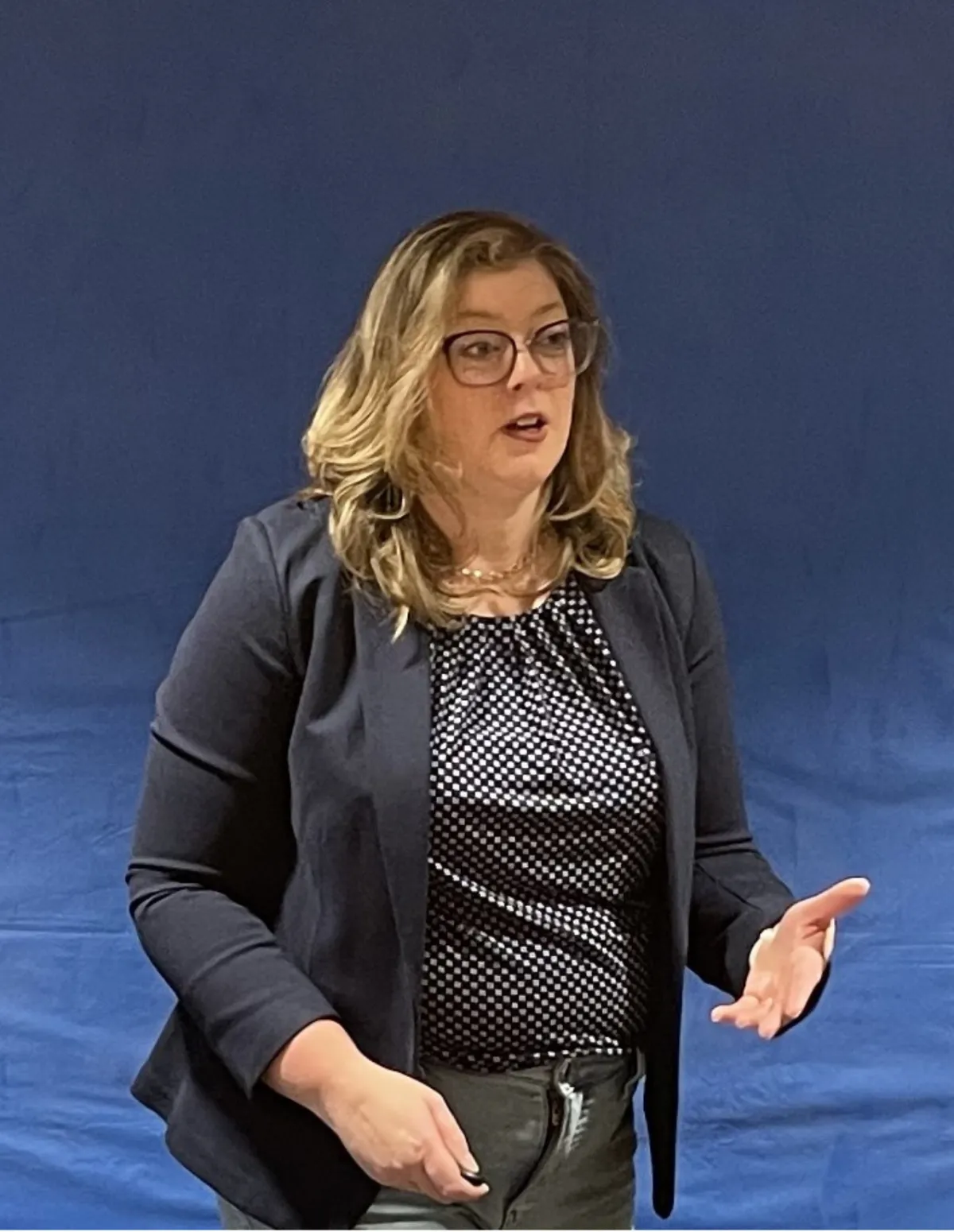
LEADERSHIP ISN'T ABOUT CONTROL. IT'S ABOUT CREATING SPACE.
I am a professional facilitator and trainer who believes leadership isn't about control, it's about creating the space for people to lead. Clients often describe me as steady, perceptive, and deeply prepared.
I blend structure with human awareness to ensure your group reaches meaningful outcomes with respect and clarity. My path to this work wasn't found in a textbook; it was forged in 2018 while leading a community coalition where traditional leadership alone wasn't enough to move a diverse group of stakeholders forward.
Today, I help groups answer the quiet question in the room: How do we move forward together without losing what matters?
HOW IT WORKS
WHAT WORKING WITH KT FACILITATION LOOKS LIKE
The experience starts long before the room. Here is how we move from first conversation to lasting progress.
STEP 01
DISCOVERY CONVERSATION
When you reach out, I will review your message personally. Our first conversation is focused on understanding what you are trying to accomplish, who is involved, and what dynamics are present. This is not a sales call - it is a thoughtful conversation about fit and next steps.
STEP 02
INTENTIONAL DESIGN
Before I ever design a session, I spend time understanding how the group actually functions. This includes noticing where decision-making authority lives, how disagreement is handled, and what has or has not worked in the past.
STEP 03
SUSTAINED PROGRESS
The goal is not just a productive meeting, it is progress that holds once you return to your real work. Groups leave with shared understanding, defined ownership, and increased confidence in their ability to navigate difficult conversations together.
HOW IT WORKS
THE PROOF IS IN THE ROOM
“Very interactive & practical application. I feel confident in applying ToP Methods. Jeremy and Karie are phenomenal co-trainers for this course. They make a great team & make learning the methods fun.“
CHRISTINE HALL
Health Equity Director
"Tangible, practical tools to improve planning, meetings, and engagement. Well oiled machine - Jeremy and Karie work together seamlessly."
JADA JOHNSON
Clemson University
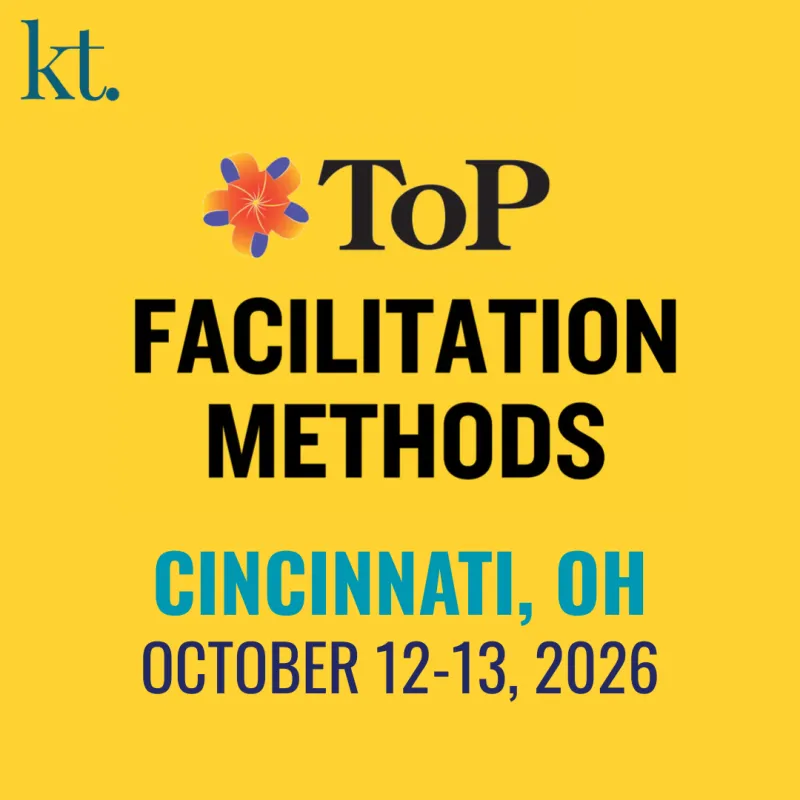
“The ToP Facilitation Methods course is an opportunity to gain and enrich facilitation skills that serve you professionally, personally,
and civically.”
RACHEL POWELL
Public Health Director

Let’s Talk About What Your
Group Is Facing
If you are navigating transition, stalled decision-making, or high-stakes change,
let’s have a thoughtful conversation. This isn't a sales call, it's a chance to understand your context and design support that fits your reality
This isn't a sales call, it's a chance to understand your context and
design support that fits your reality.
© 2026 KT Facilitation · Professional Facilitation & Leadership Development · Midwest-Based · In-Person & Virtual
641-860-0344